Determine Your Fitness Goals
Before diving to the specifics of different exercise bikes, it's essential to understand your fitness goals. Are you looking to lose excess weight, build endurance, or simply stay active? Different exercise bikes appeal to different goals:
Upright Bikes: They're perfect for simulating outdoor cycling and are great for cardiovascular workouts and leg strength.
Recumbent Bikes: Featuring a reclining seat, these bikes give you a comfortable ride and are suited to those with back issues or those seeking a low-impact workout.
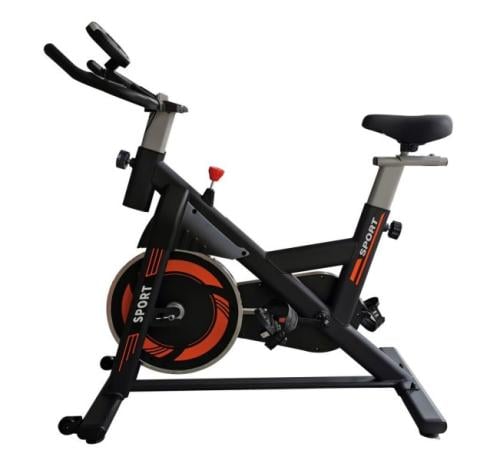
Spin Bikes: Made for high-intensity interval training (HIIT), these bikes are excellent for many who want a complicated workout and a far more realistic cycling experience.
Consider the Bike's Features
Different exercise bikes come with varying features that could enhance your workout experience. Below really are a few key features to consider:
Resistance Levels: Try to find bikes with adjustable resistance settings. Magnetic resistance systems are quieter and require less maintenance compared to friction-based systems.
Display Console: A good display console provides essential workout data such in terms of instance speed, distance, time, and calories burned. Advanced models may also offer heartrate monitoring, programmable workouts, and connectivity options.
Adjustability: Ensure the bike is adjustable to fit your system size. Try to find adjustable seats, handlebars, and pedals to support different users and ensure a cushty ride.
Assess Build Quality and Comfort
Comfort and durability are crucial for an enjoyable workout experience:
Seat Comfort: A well-padded, adjustable seat can make long workouts more comfortable. Some bikes also offer ergonomic designs and additional cushioning.
Build Quality: Choose a bicycle with a sturdy frame and high-quality materials. Steel frames are usually stronger than plastic ones, and bikes with a heavier flywheel tend to offer a better ride.
Noise Level: If you intend to utilize the bike in a shared space or while watching TV, consider the noise level. Magnetic resistance bikes are usually quieter than friction-based models.
Evaluate Space and Storage
Consider the space where you want to take advantage of and store the exercise bike:
Size and Dimensions: Gauge the available space to ensure the bike fits comfortably. Compact models are available for smaller areas.
Portability: Some bikes come with built-in wheels for quick relocation. This feature is advantageous if you need to maneuver the bike around or store it away when not in use.
Set a Budget
Exercise bikes come in a range of prices, from budget-friendly models to high-end options with advanced features. Determine your allowance and locate a bike that gives the best value within that range. Don't forget to consider the long-term investment; a higher-priced bike might offer better durability and features that might be worth the additional cost.
Read Reviews and Ratings
Prior to making your final decision, read customer reviews and ratings to get insights to the bike's performance and reliability. Try to find feedback on durability, comfort, and customer service. Real user experiences can offer valuable information that can help you make the best choice.
Conclusion
Choosing the best exercise bike involves evaluating your fitness goals, desired features, build quality, space constraints, budget, and user feedback. By considering these factors, you will find a fitness bike that fits your preferences and can help you achieve your fitness objectives. Whether you decide for an upright, recumbent, or spin bike, the best choice will ensure you receive probably the most from the workouts and stay motivated on your fitness journey.